A Man of Gold: Life in the Kyrgyz Mountains
Author: Danil Usmanov
Editor: Mariam Kvaratskhelia
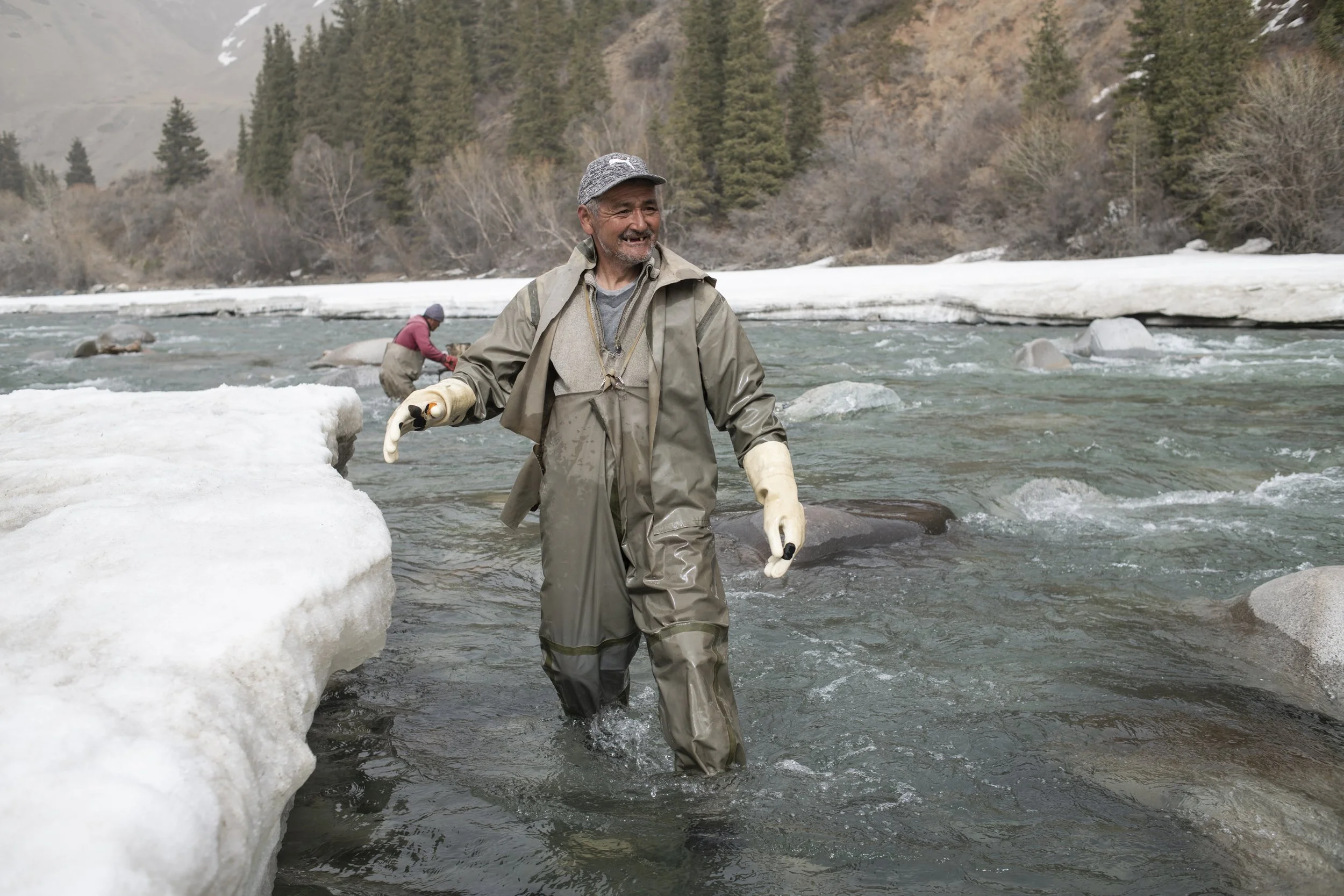
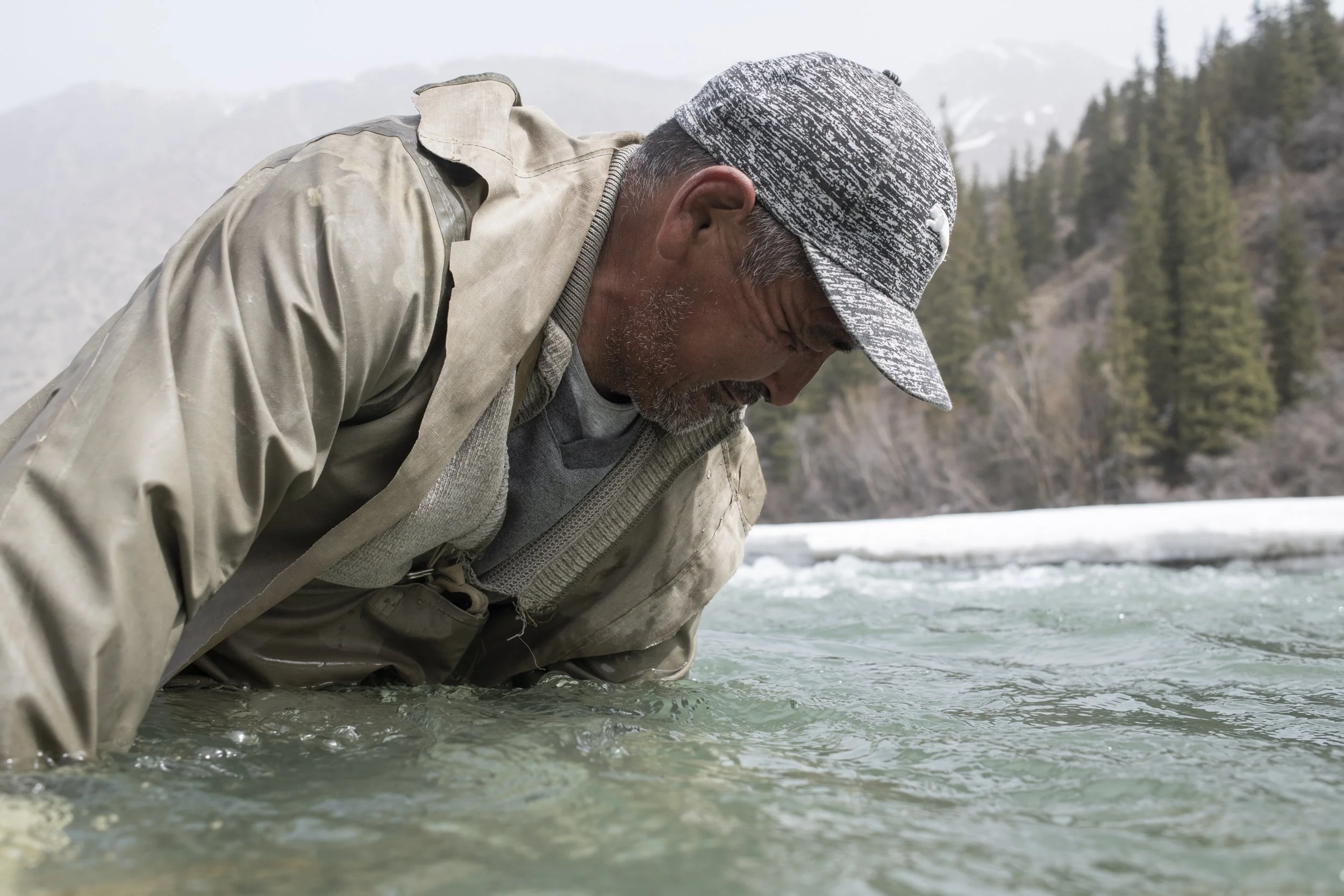
“Don’t be afraid, the river will feel it and might carry you away,” says 71 years old Murat Dyusheev, who has been panning for gold in the Kichi-Naryn River (Kyrgyzstan) for 24 years.
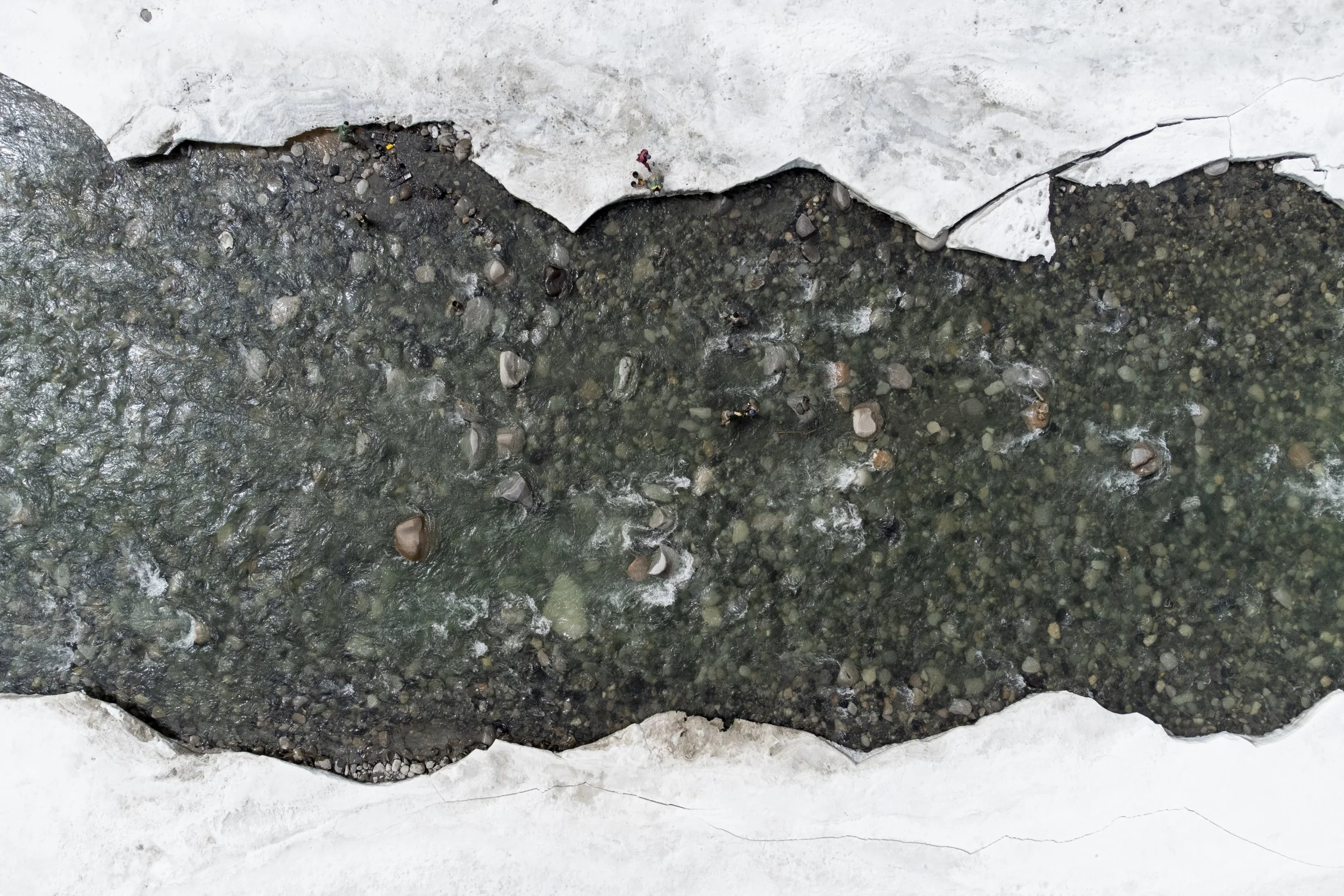
Kyrgyzstan, with its breathtaking nature and fascinating history, is one of the most distinctive countries in Central Asia. Despite a somewhat shared past, not much is known about it in Georgia, except perhaps “The Blue Mountains, or the Unbelievable Story of Tian Shan” (famous Georgian comedy-drama released in 1983). It is in the Tian Shan mountains that Kumtor is located, the largest high-altitude gold mine in Central Asia. Just 160 kilometers away, in one of the coldest regions of Kyrgyzstan, flows the Kichi-Naryn River, which locals have nicknamed the “bloody river” due to its powerful summer currents.
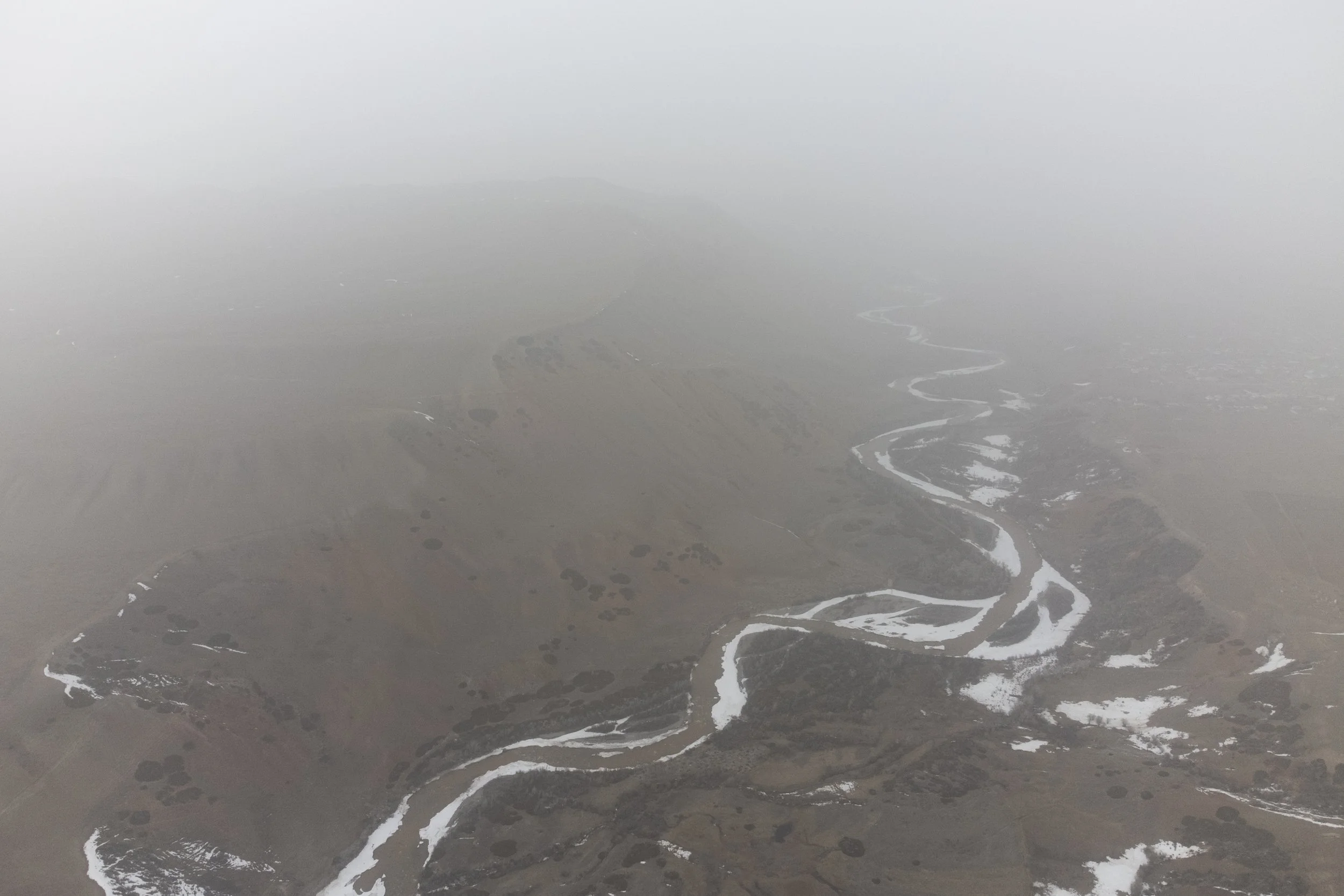
Kichi-Naryn (Little Naryn) River, photo by Danil Usmanov
Like many other countries, the collapse of the Soviet Union brought significant change and economic shock to Kyrgyzstan. To make a living and support their families, people had to juggle multiple jobs and activities in their daily lives. As a result, in the villages of Naryn district, particularly Eki-Naryn and Tash-Bashat, many men turned to gold panning. At one point, more than 300 people could be counted along the river, though those days are now gone. It was during this time that Murat’s fearless journey as a gold panner began: over the years, he managed to tame the Kichi-Naryn and became the most respected prospector.
By calling, Murat is a volleyball player, a profession to which he devoted himself fully. He also worked as a physical education teacher at a nearby school, sharing his love of volleyball with younger generations. However, he soon realized that his monthly salary, 34 US dollars (3,000 som), was equivalent to what he could earn in a single day of gold panning. That realization marked the beginning of a new, golden chapter in his life. It is worth noting that, after this period, teachers’ salaries increased significantly, making the profession more financially attractive. Despite his new occupation, he has not forgotten his beloved profession, and in his free time, you can often find him in the gym with his former students.
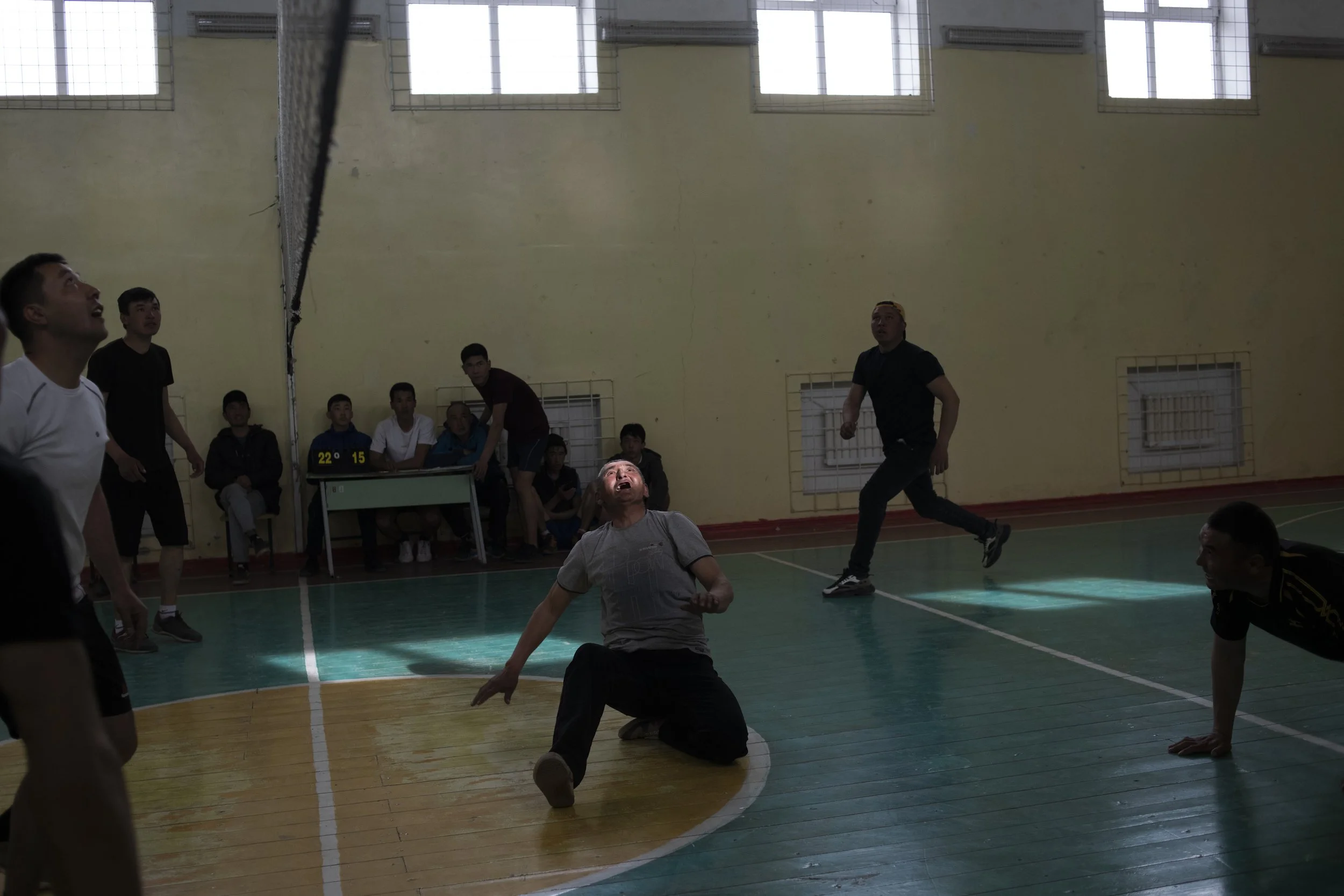
Murat playing volleyball with his former students, photo by Danil Usmanov
Gold panning is seasonal work and depends on many factors. In summer, the river’s current is extremely strong and can easily sweep a person away, so panners wait for winter. In winter, the current weakens, making it possible to enter the water. However, if temperatures drop too much, the river freezes and becomes completely inaccessible. Finding the “golden ratio” between these two extremes is essential.
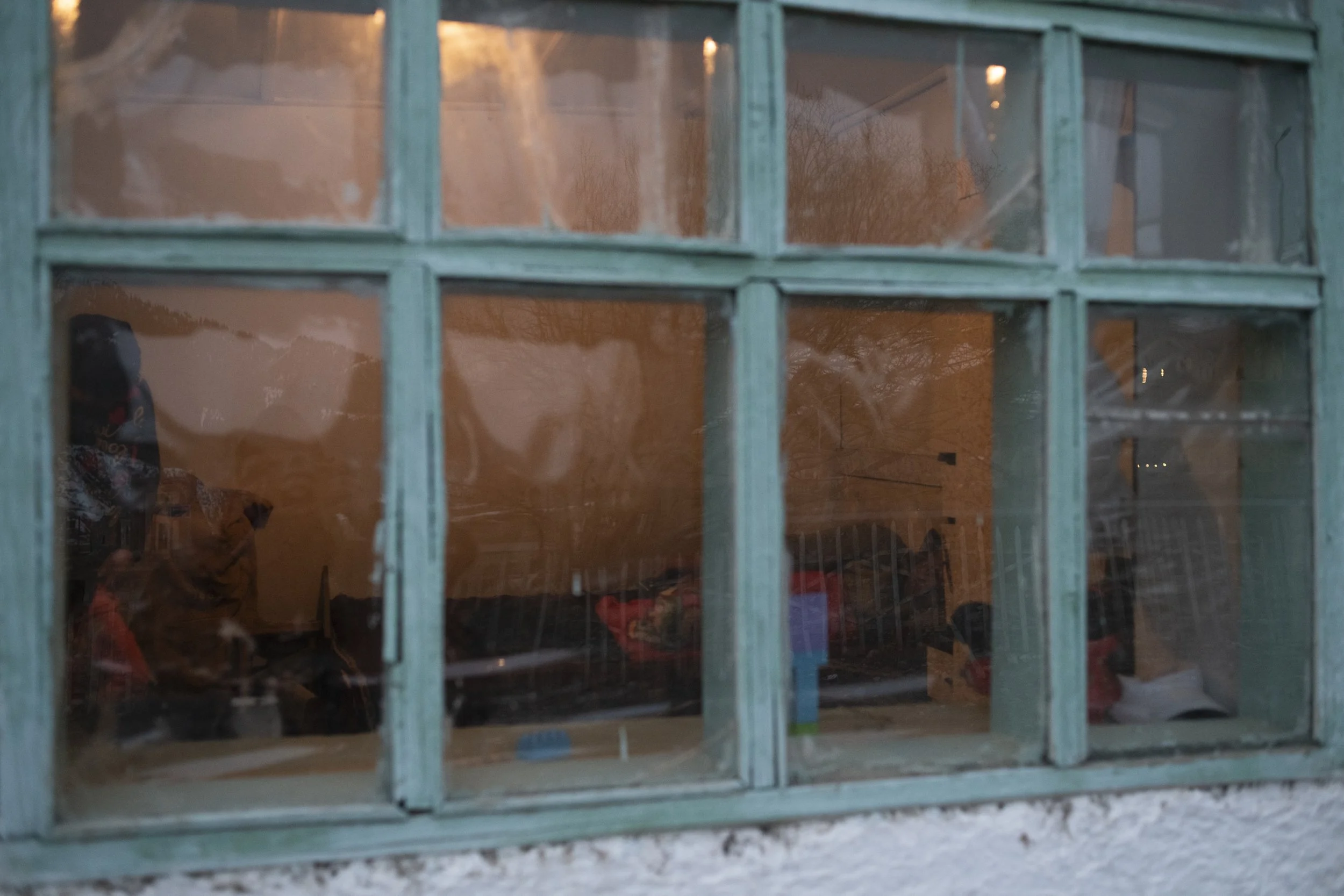
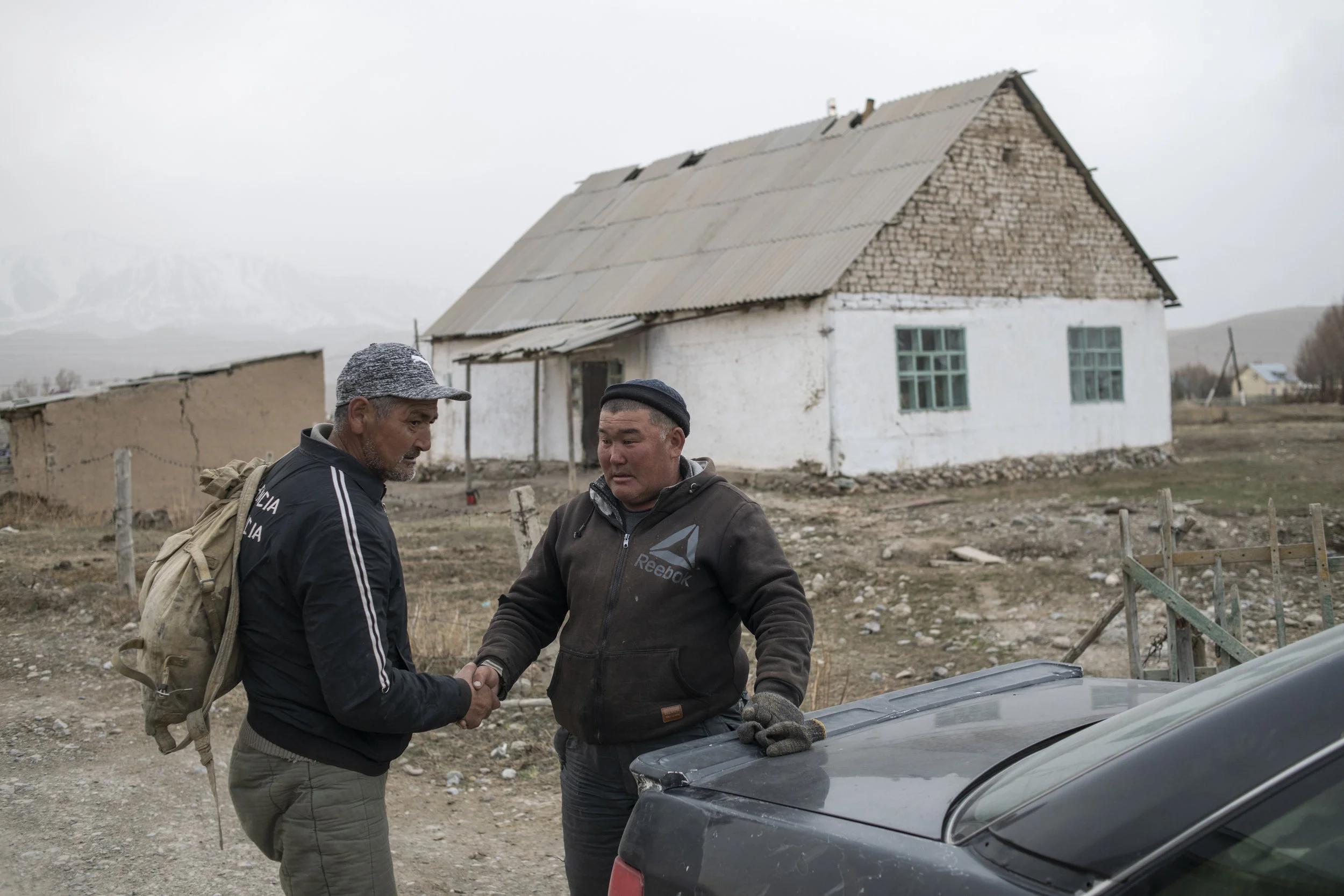
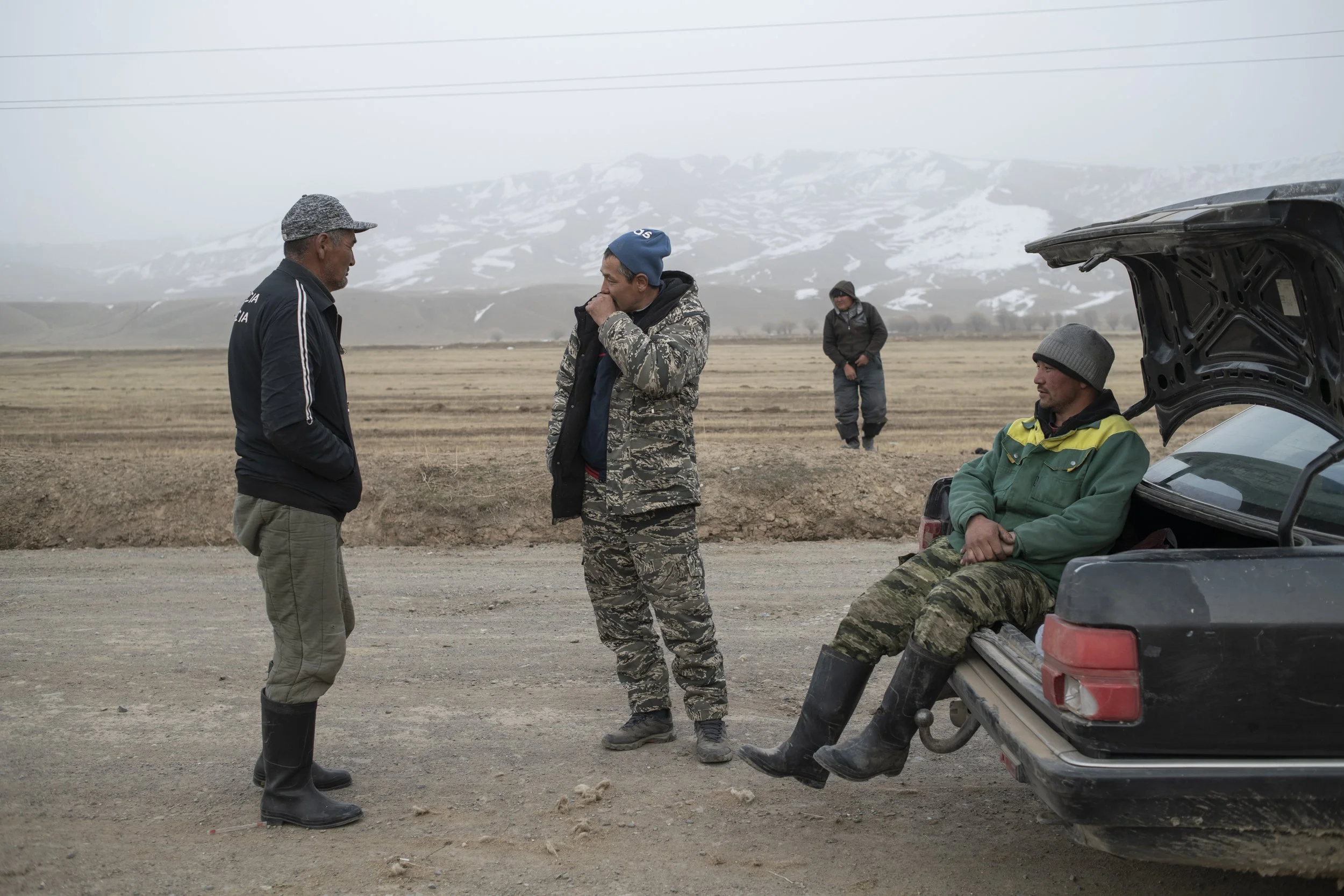
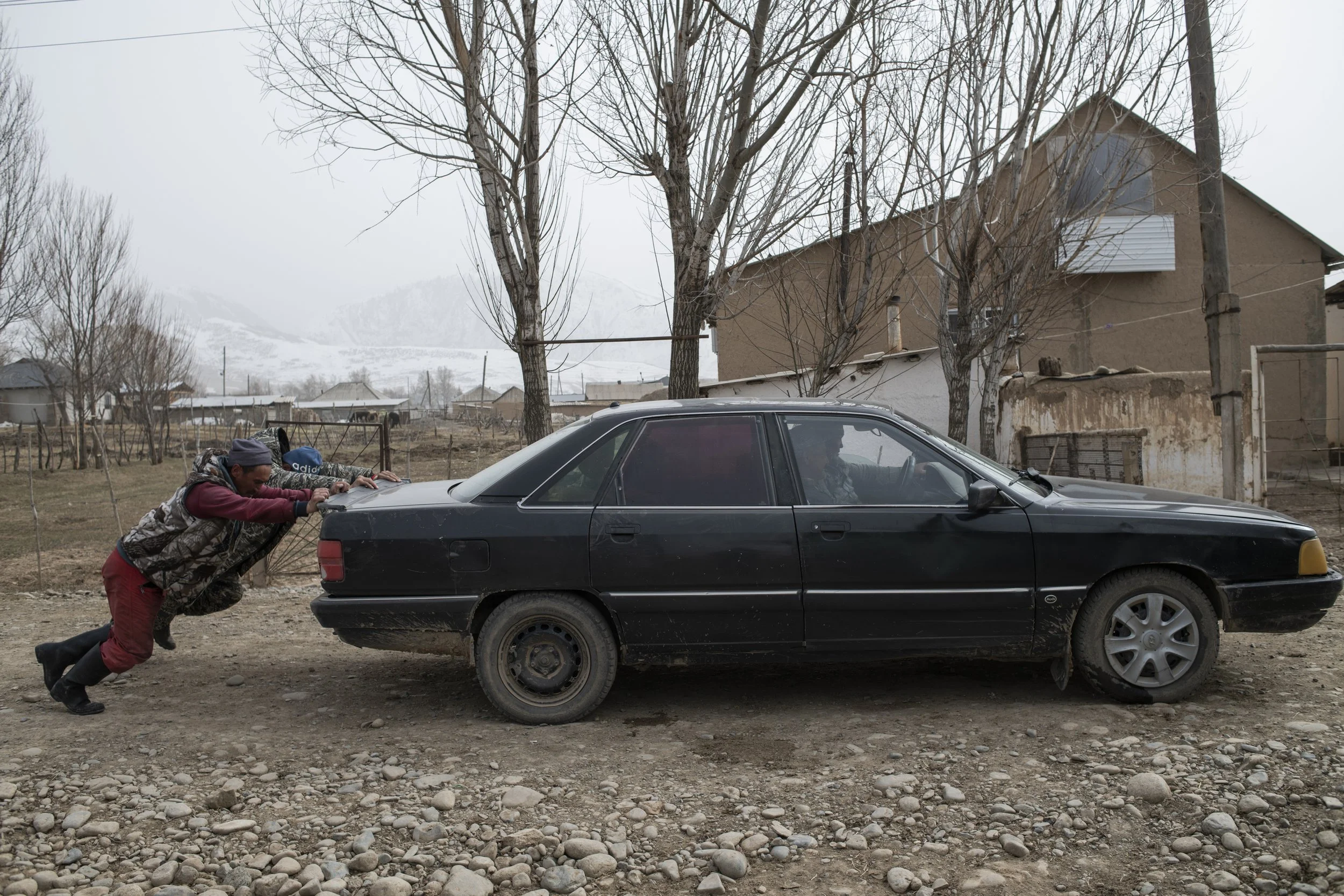
Murat’s workday begins in Tash-Bashat, where the view from his home opens onto familiar mountains and forests. Outside, his colleagues wait for him in an old Audi, a car that was once the most common in Naryn. Perhaps dating back to a time when a German prisoner inexplicably decided to plant fir trees in the shape of a swastika, though most likely, the two facts are entirely unrelated.
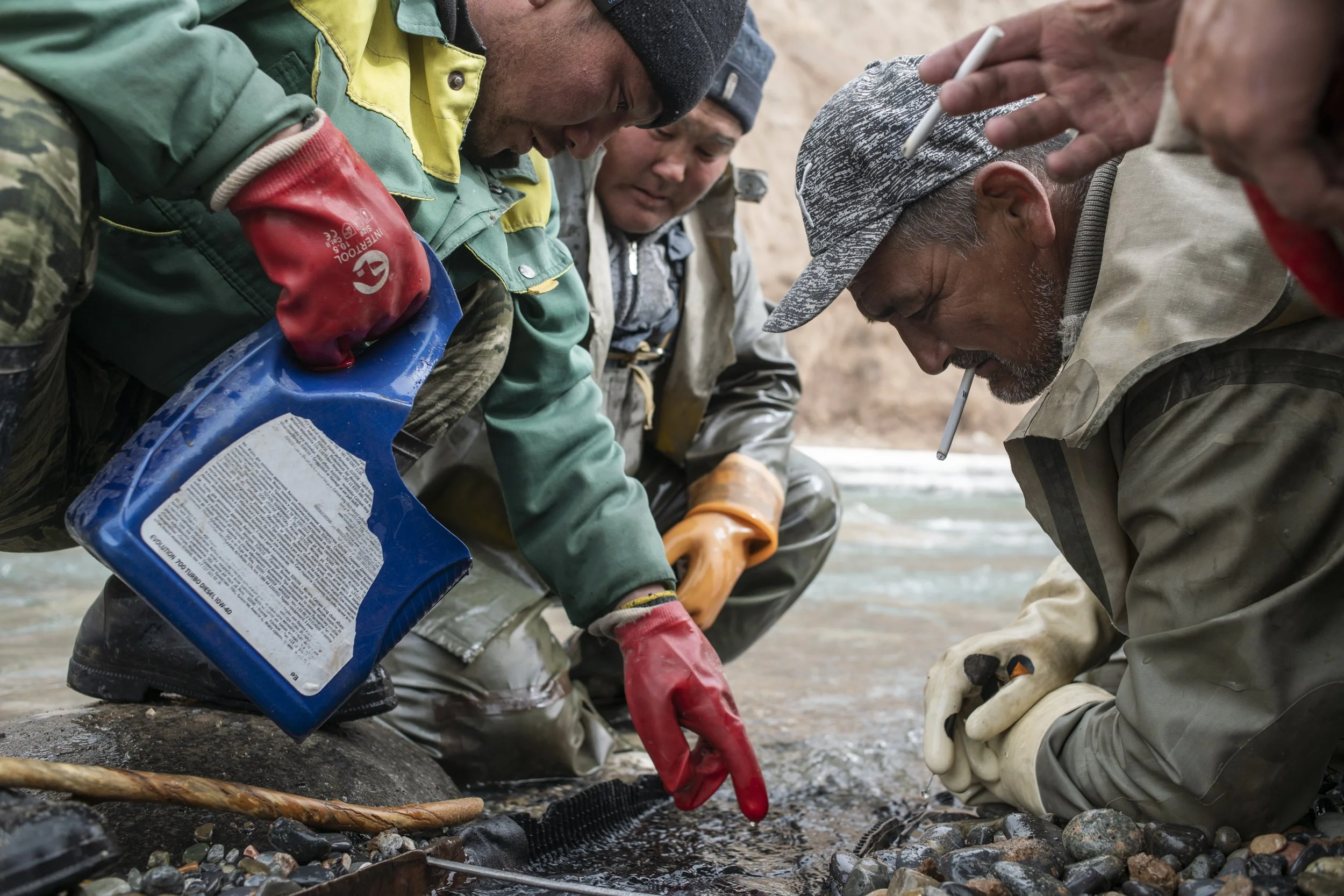
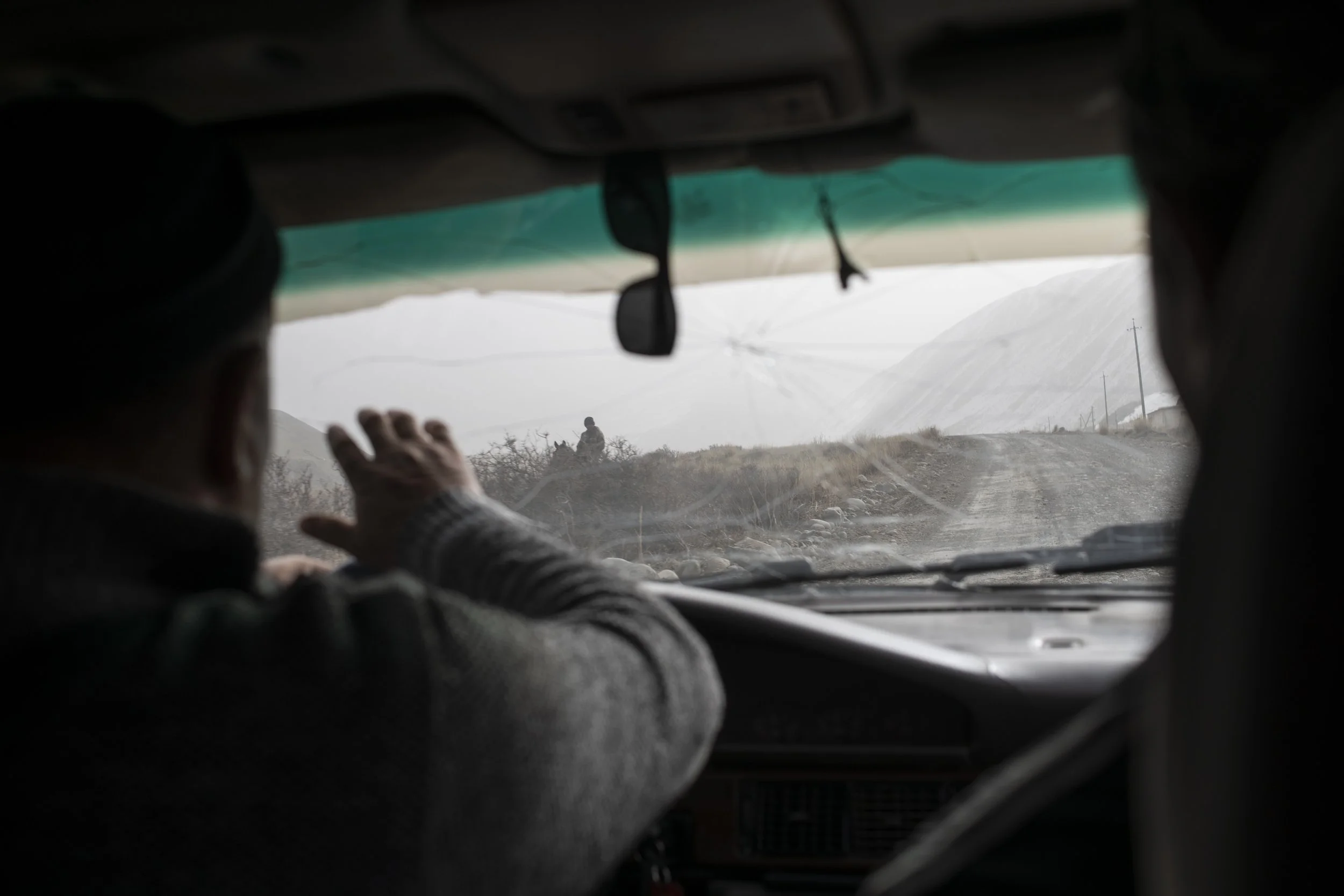
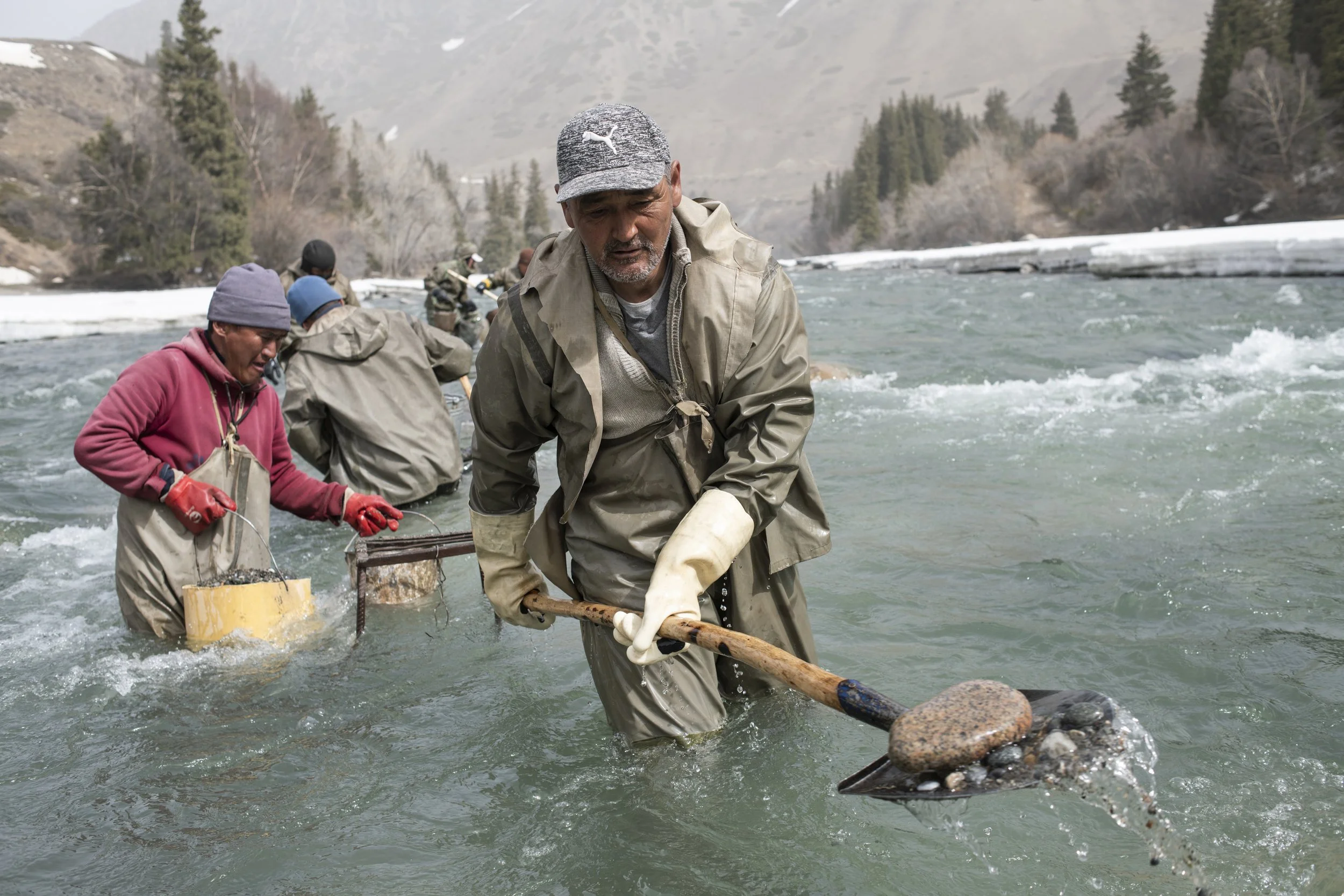
As the most experienced and respected gold panner, Murat takes the front seat. The engine rattles to life, and the car slowly sets off. Along the way, they pick up their colleague Amantur and head to a place called Kapchygai. There, they put on soviet military protective gear, the so-called OZK suits, and step into the water.
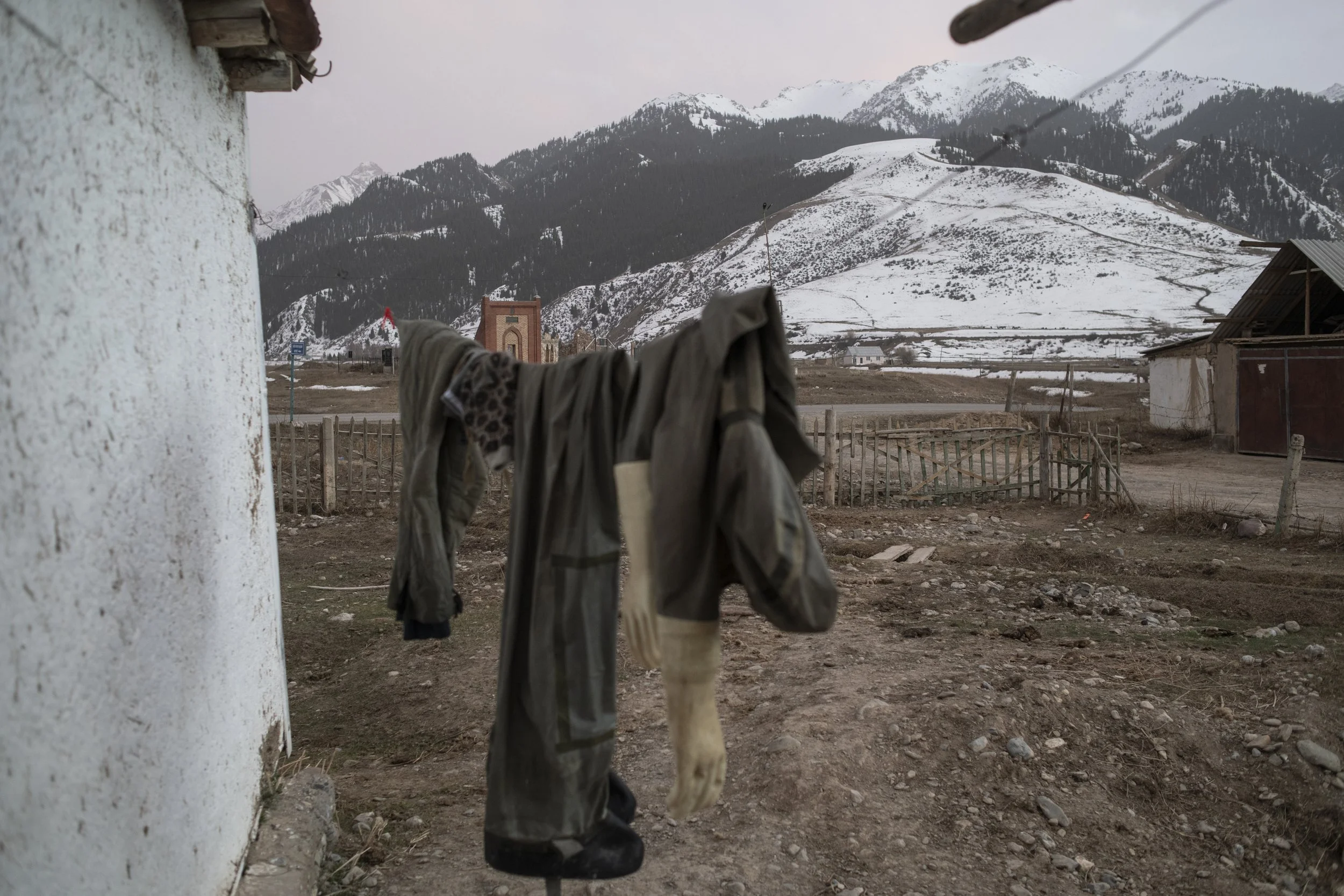
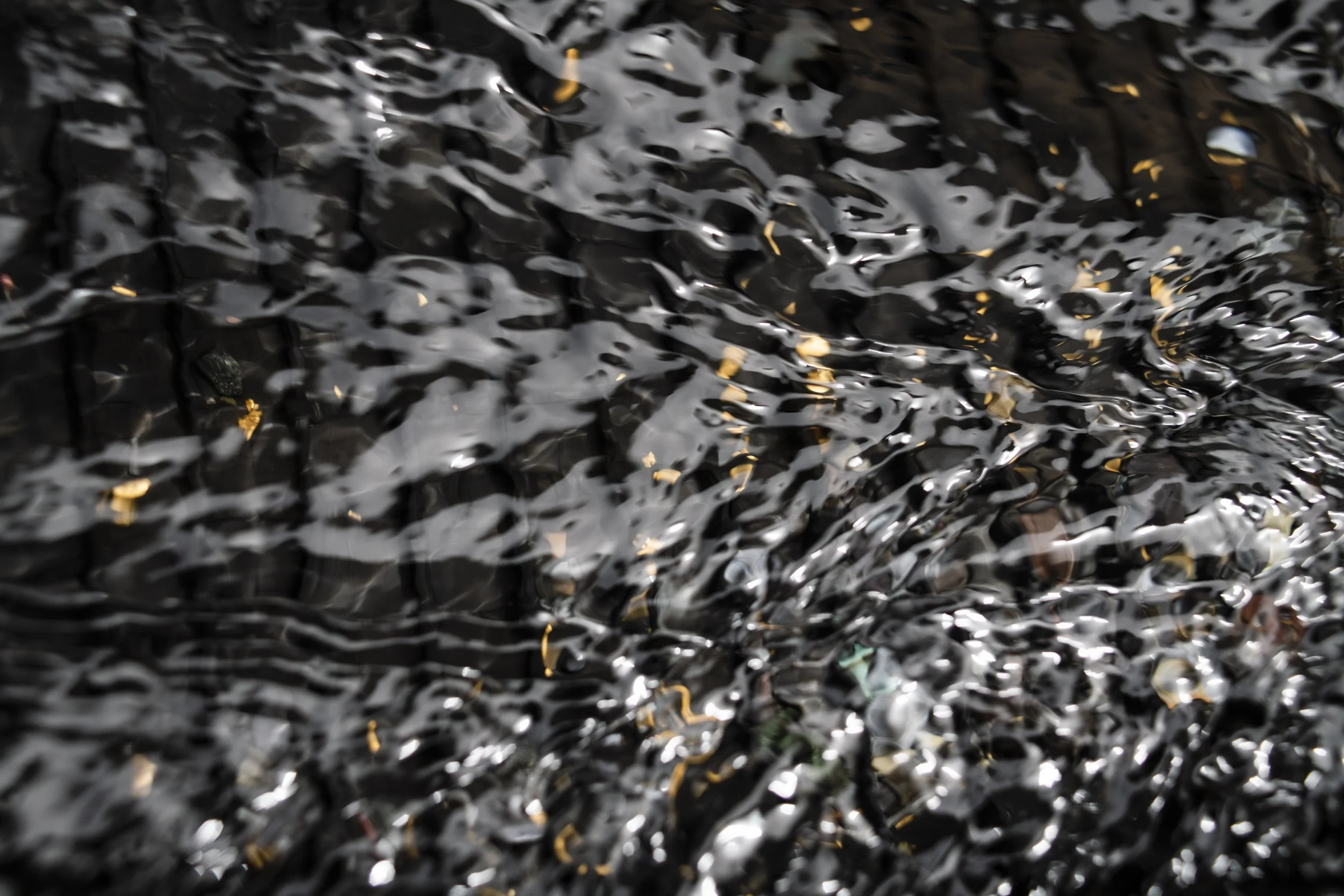
Murat, along with two colleagues, brings sediment up from the riverbed, what they call the “quarry.” A third colleague carries the bucket to the shore, while a fourth washes the sediment through a sieve. From time to time, they all gather around it, watching as gold emerges, glinting like the sun. In their eyes, you can see the focus of hunters, the same look Murat has when he watches a volleyball in play.
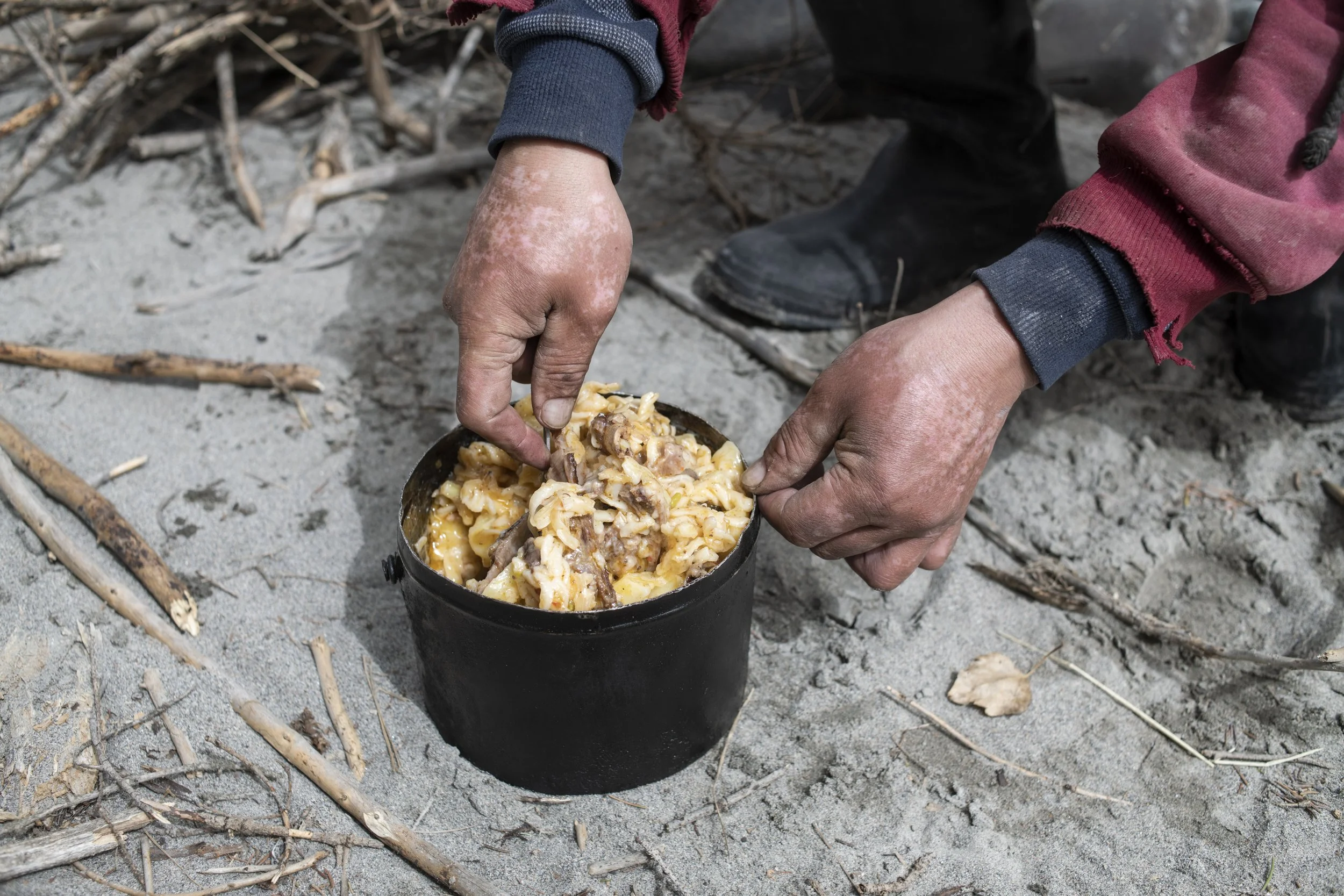
By midday, they drain water from their suits and lay them out to dry. Then they take out a pot filled with food and share lunch together, as true colleagues do. In total, they spend about four hours in the water, which, as they say, feels warmer than the land.
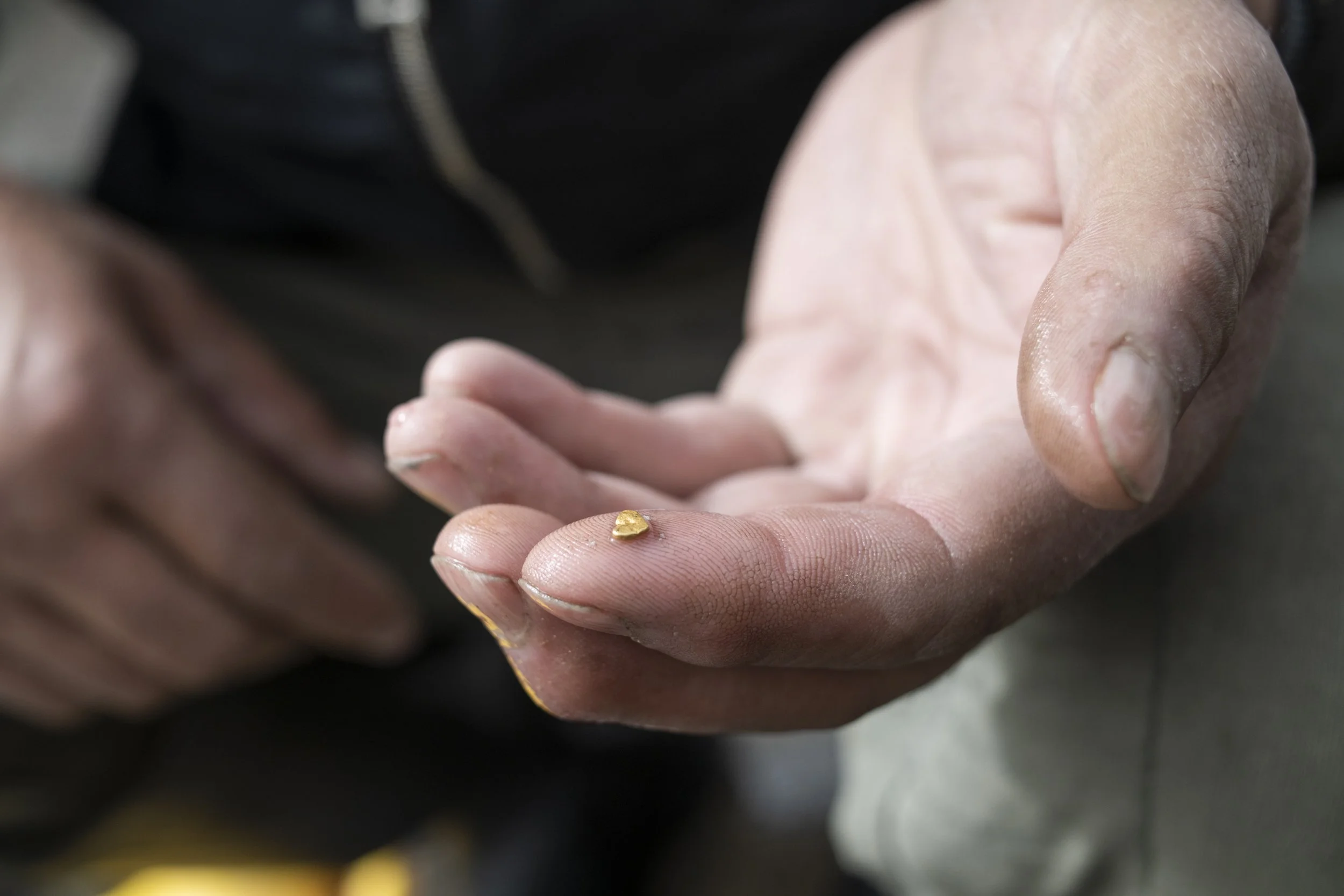
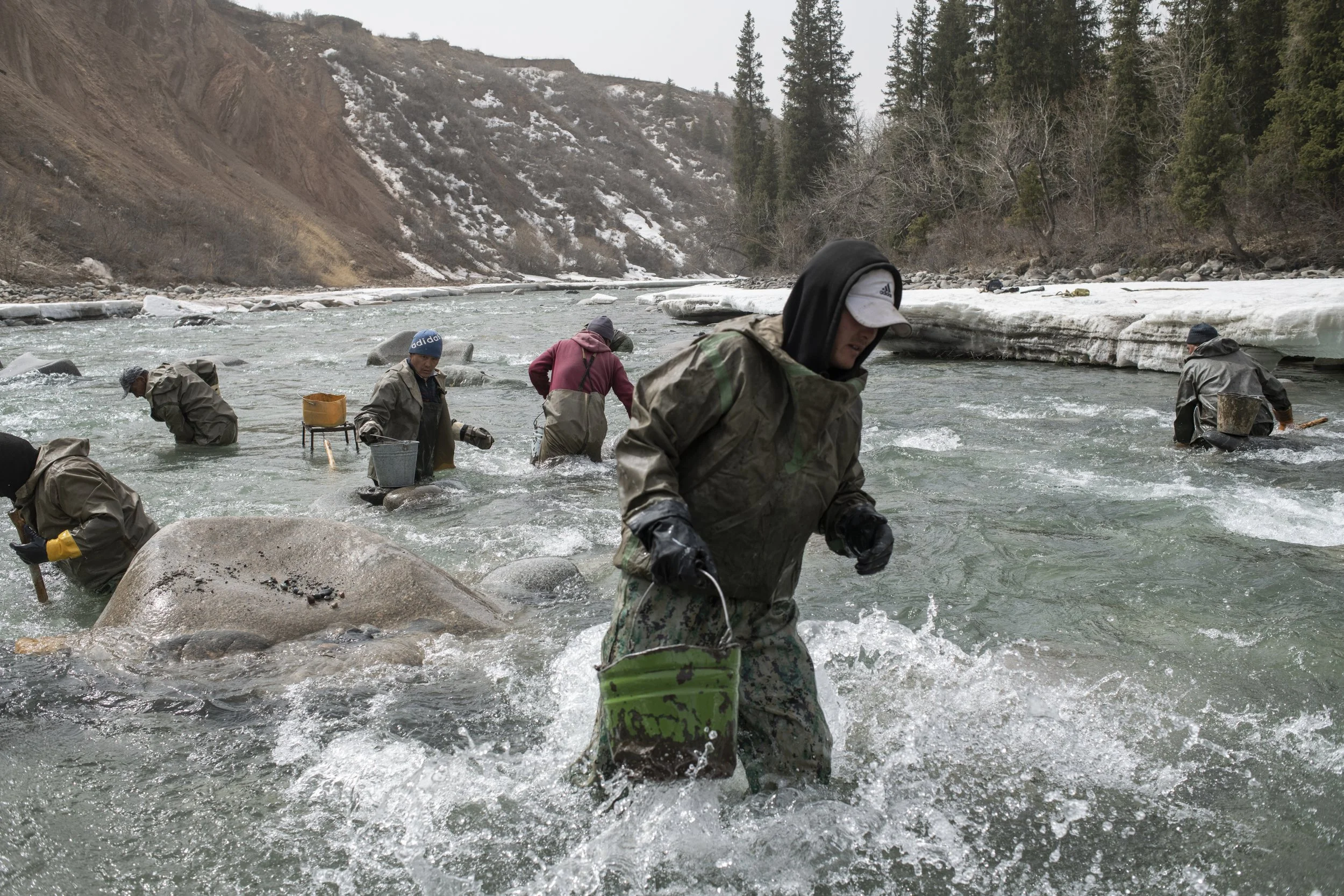
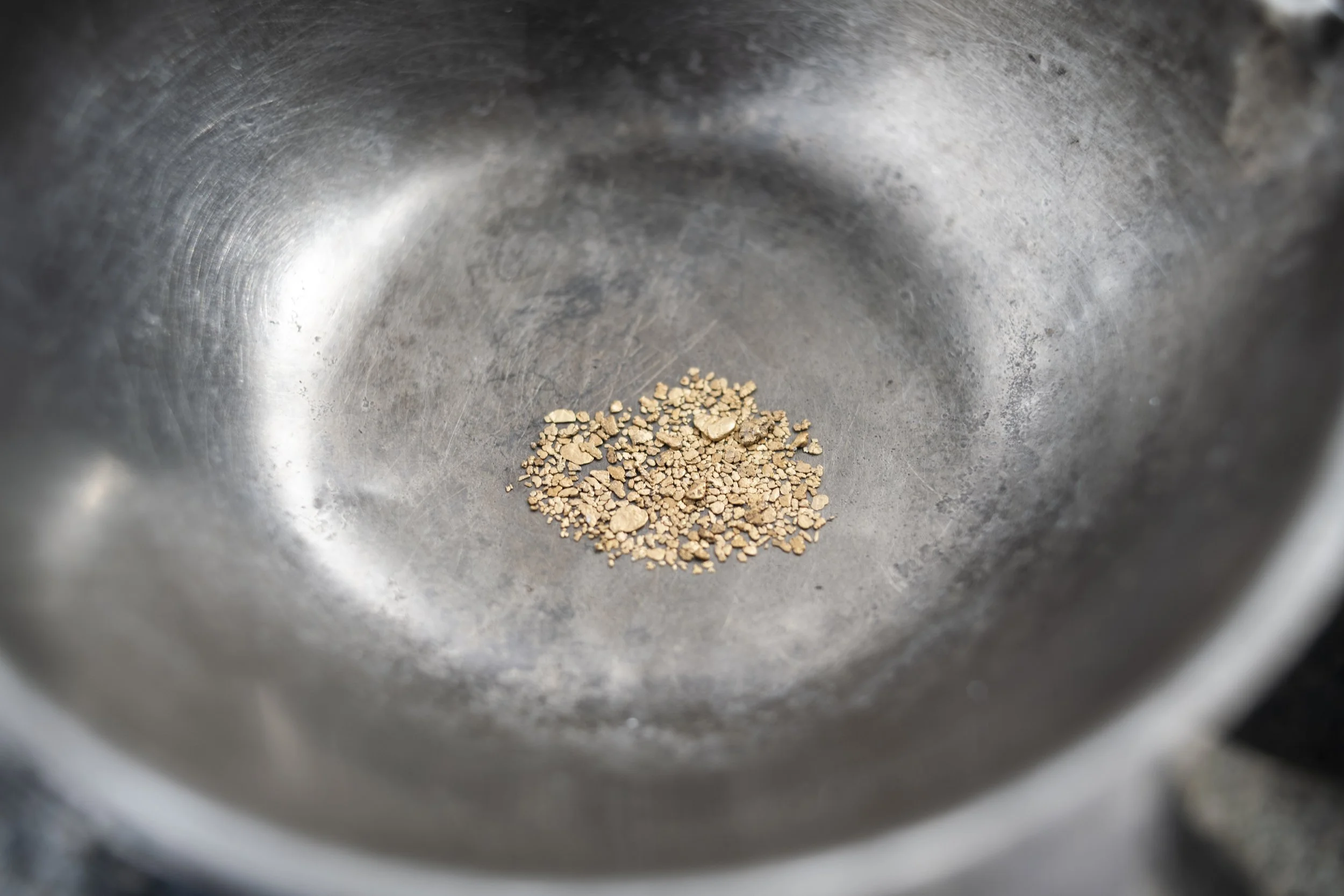
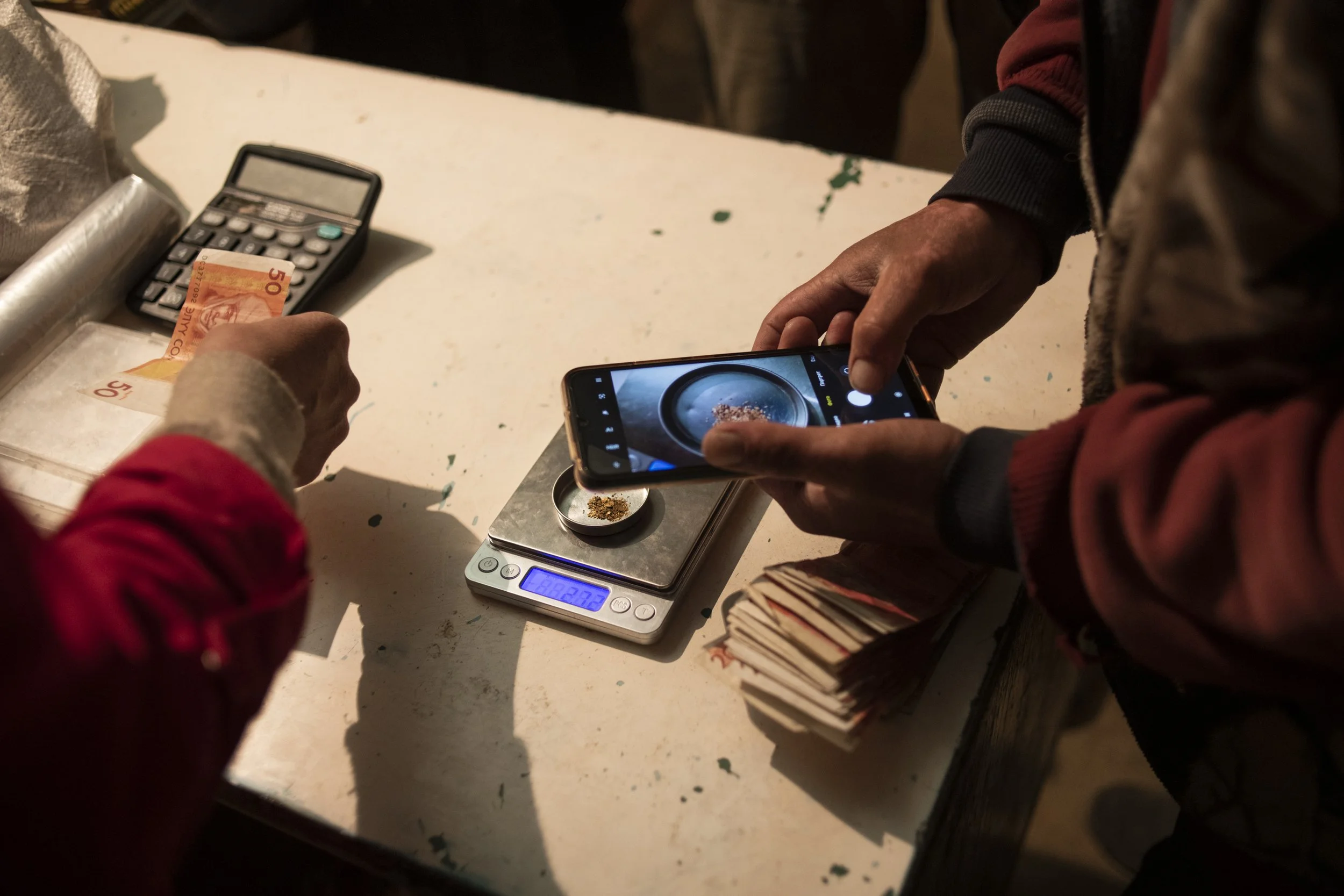
After finishing work, they return, hand over the gold at the local market, and divide the money equally. Amantur’s son is already waiting near the shop, anticipating the moment his father will buy him an ice cream.
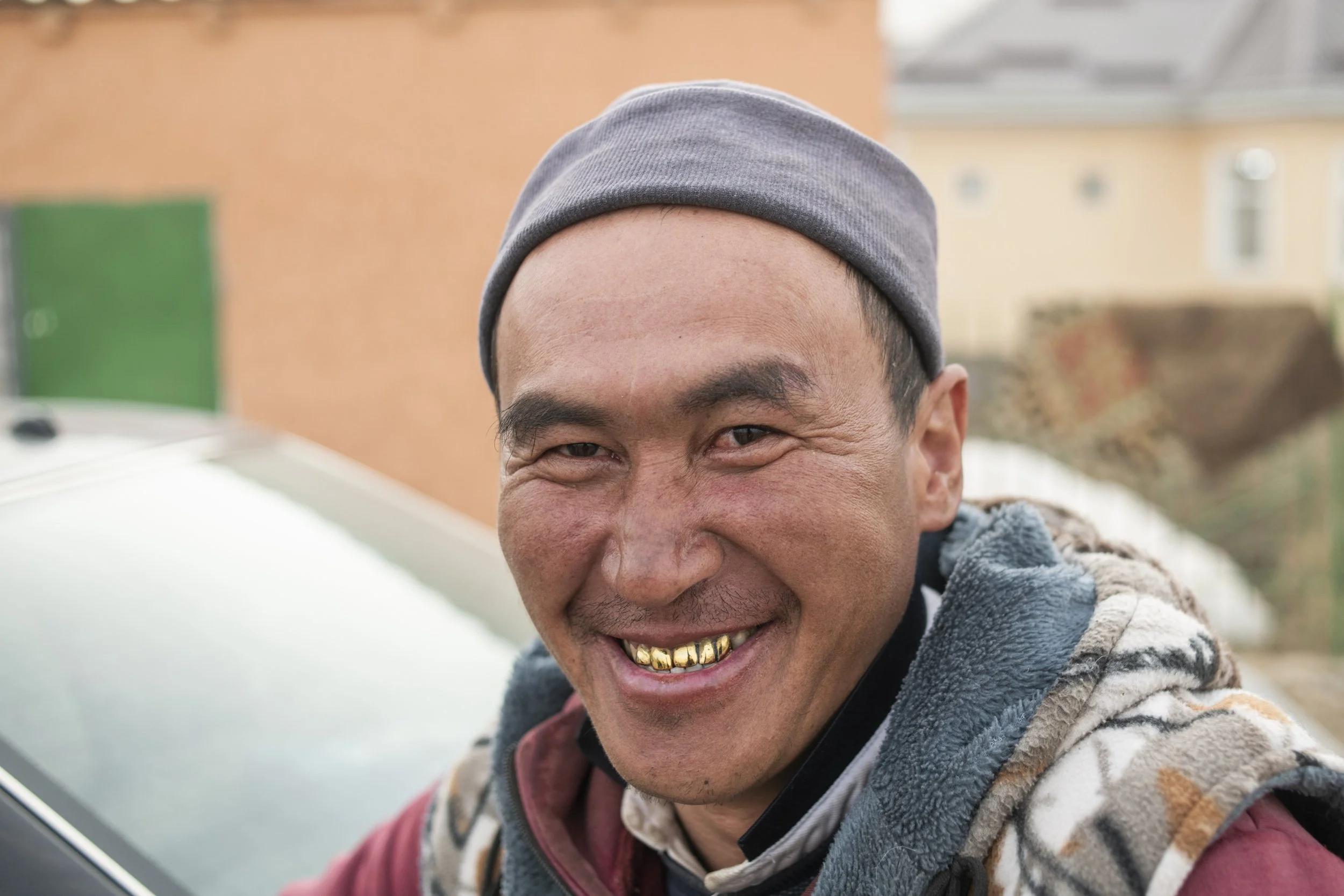
After a productive working day, photo by Danil Usmanov
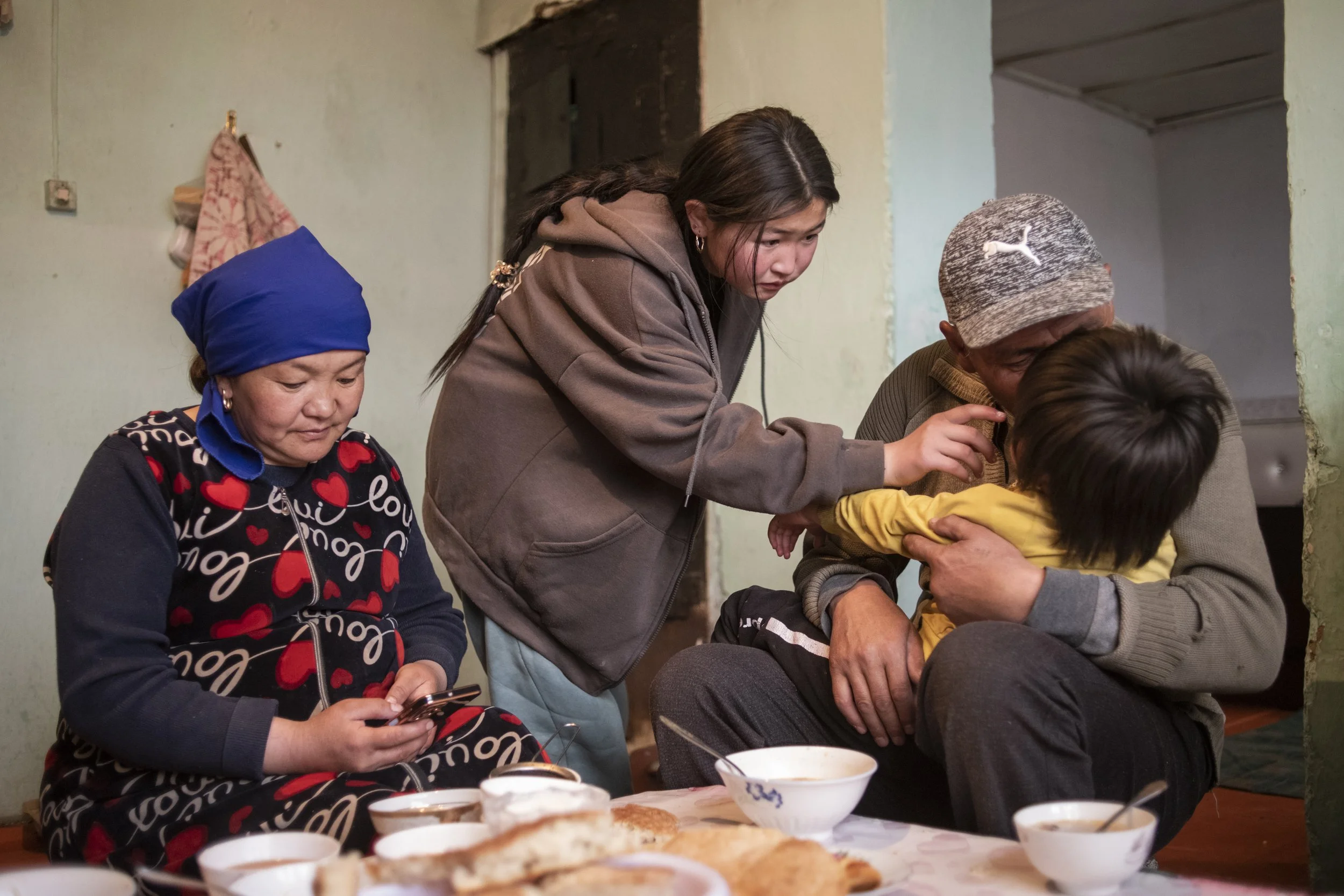
At home, Murat is awaited by his four children and his pregnant wife (who has since given birth to a girl). His eldest fifth daughter lives in the city and studies there.
After dinner, he goes to bed, ready to rise again the next day and continue his search for gold.
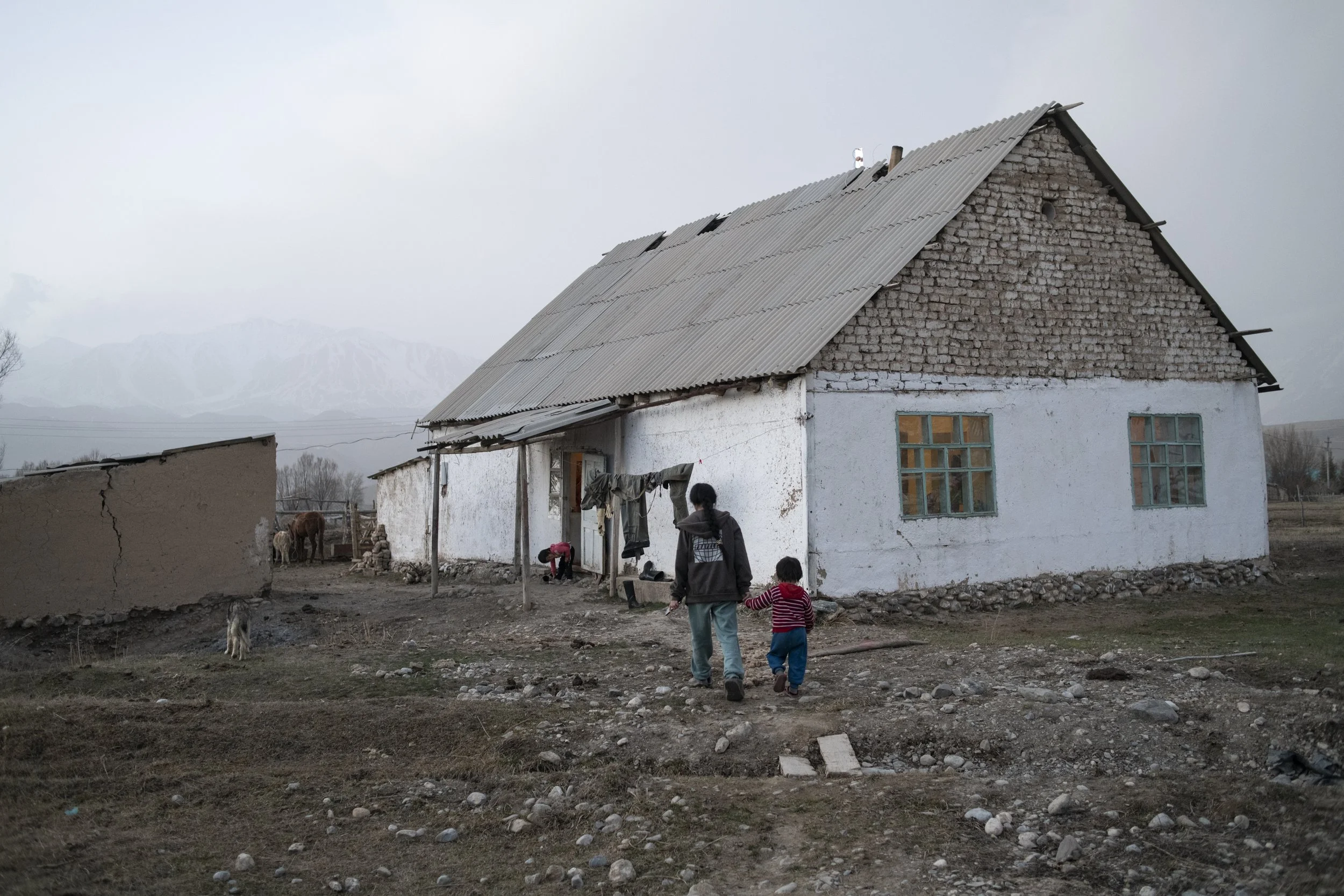
Murat’s family, photo by Danil Usmanov
The story and photographs (2023) belong to Danil Usmanov, a documentary photographer from Kyrgyzstan. According to him, portraying his subjects in their natural state makes the story more vivid and authentic. He also notes that people sense a journalist’s or photographer’s sincerity and open up more as a result.